
Stroke Education
Stroke is a medical emergency. If you or someone else are experiencing stroke warning signs, call 911.
Recognize symptoms of stroke
- Sudden and severe headache
- Trouble seeing in one or both eyes
- Sudden dizziness; trouble walking
- Sudden confusion; trouble speaking
- Sudden numbness or weakness of face, arm or leg
Not sure whether a person's symptoms are a stroke? Act FAST and quickly take these steps.
- Face – Ask the person to smile
- Arm – Ask the person to raise both arms
- Speech – Ask the person to speak a simple sentence
- Time – Difficulty or impossible to complete one or more of these tasks? Call 911 now.
What is a stroke?
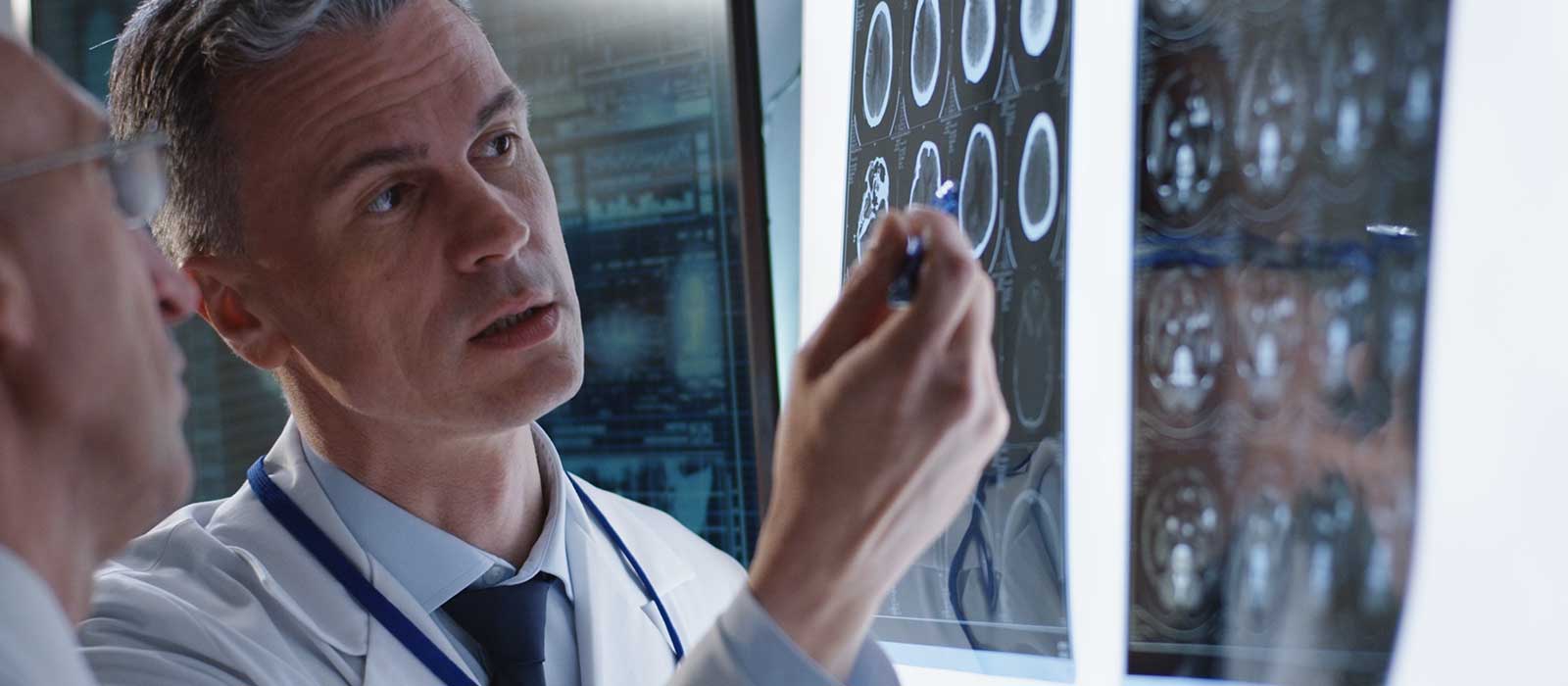
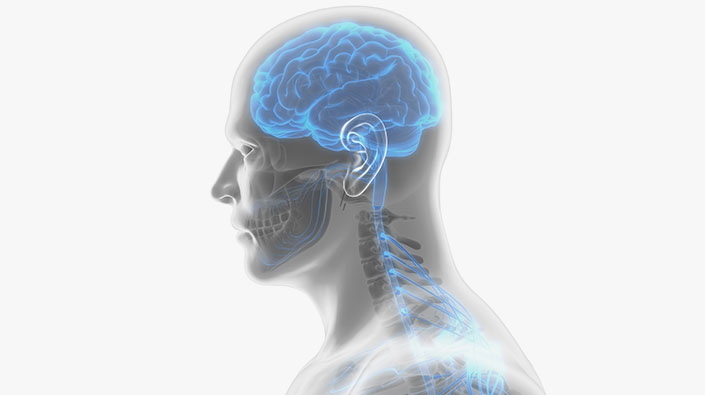
Strokes are aptly referred to as a "brain attack." When there is an interruption of blood flow to the brain, either because of a clot or ruptured blood vessel, sudden brain damage occurs.
A person who is having a stroke requires immediate medical attention. The longer it takes to receive care, the more brain cells will die and the greater the risk of disability or even death.
Identify two types of stroke

Ischemic stroke is most common and accounts for 87 percent of strokes. Ischemic stroke is caused by a clot that prevents blood flow to the brain. The clot can either travel to the brain from another part of the body or can develop in an artery.

Hemorrhagic stroke is a second type of stroke which occurs when a blood vessel in the brain breaks or ruptures. Hemorrhagic stroke is less common, but it's more deadly.
Multi-language stroke materials available
Check out our educational materials in several languages on topics of stroke prevention, symptoms, treatment and rehabilitation from the American Stroke Association.
Online resources
Inova's online health library includes extensive information about stroke, its warning signs, treatments and rehabilitation.
Additional resources include:
- Free workbook, Maximizing Independence after Stroke, from the American Heart Association, helps patients and caregivers better understand their condition, maximize their recovery and reduce future risk of stroke.
- Go to www.heart.org/workbooks
- Check the terms & conditions box under the picture of the stroke workbook, then click "Go to Workbook"
- Click the link "New users, register now!"
- Enter the Special Code 6340490 when registering
- National Stroke Association – www.stroke.org
- American Stroke Association – www.strokeassociation.org
Stroke support groups