
The Inova Brain Health and Memory Disorders Program is devoted to the evaluation and treatment of cognitive disorders. While Alzheimer's disease often is the first concern when memory problems surface, cognitive changes can occur from many different neurologic and non-neurologic causes. For example, someone may experience cognitive dysfunction after a stroke, surgery, or head injury. Other times, memory dysfunction is due to neurodegenerative dementias, like Lewy Body Disease or Frontotemporal Disease.

Symptoms of cognitive disorders can include memory loss, inattention, trouble finding the right words to say, as well as judgement and behavioral change. Often cognitive change is also associated with symptoms of poor sleep, reduced appetite, and mood disturbance. The Inova Brain Health and Memory Disorders Program recognizes the importance for multidisciplinary care when caring for a person with a cognitive disorder. 

Our team of specialists include experts in: 

  • cognitive neurology
  • psychiatry
  • neuropsychology
  • geriatric medicine
  • neuro rehabilitation

We also work closely with patient care coordinators, nursing staff, social work, and care managers to ensure your loved one and all care partners are cared for with a whole-person, comprehensive treatment plan.
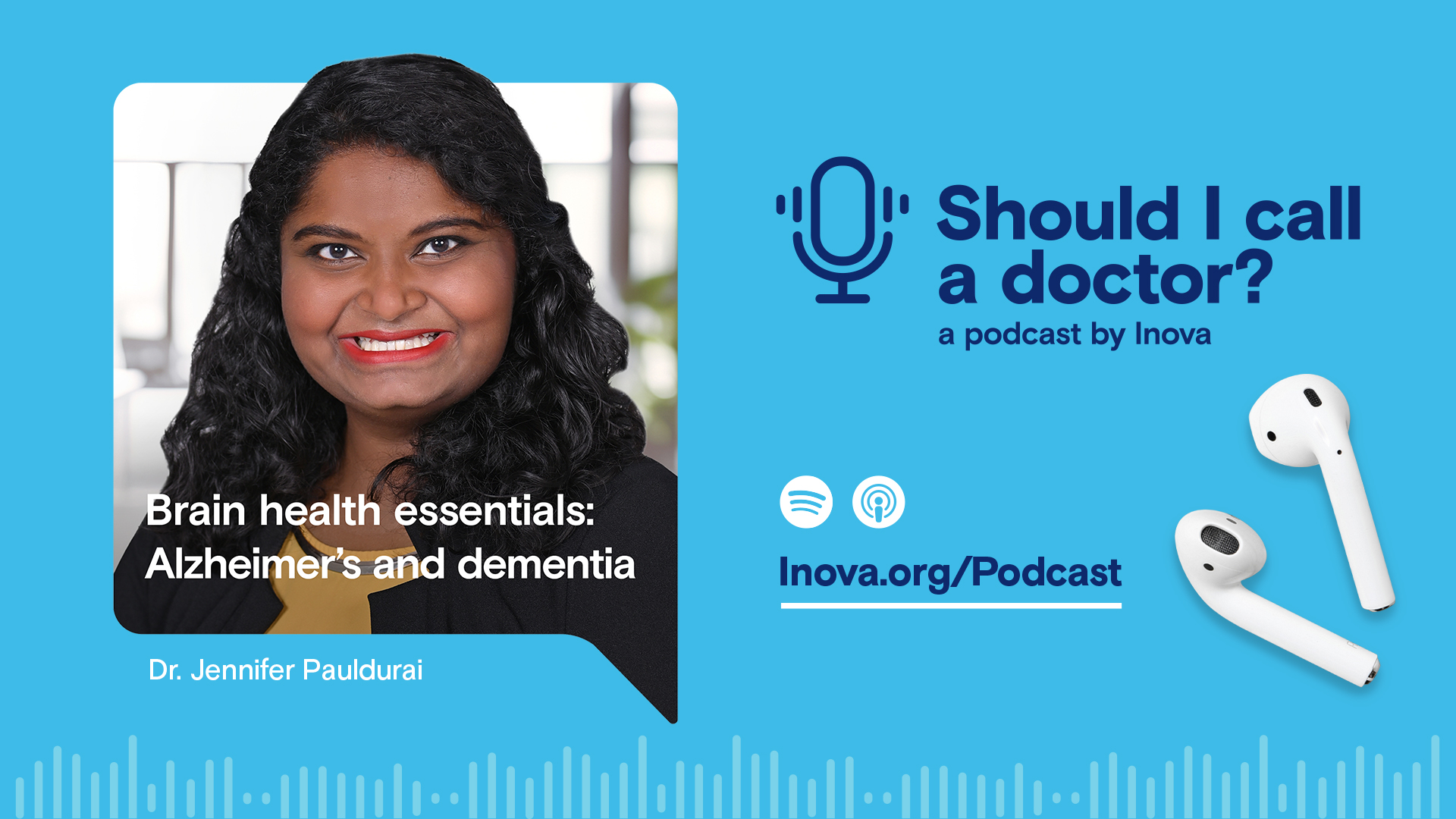
Our nurse navigators play a key role in the care of our patients. They can assist with appointments, coordinate test results, answer questions, provide support and community resources, and help manage the sharing of applicable information among all the members of the inter-disciplinary team providing care. To contact a navigator, please call 571-472-4200.

When we receive your call, we will briefly discuss your concerns and decide which of our specialists is most appropriate for an initial evaluation. We have doctors throughout Northern Virginia, making entry into our program especially convenient.

On your first visit, the doctor will take a comprehensive health history and do a physical exam. They will then likely order testing to guide diagnosis and treatment. There is no single test to diagnose dementia, so you may be asked to undergo a number of assessments. This might include neuropsychological testing, brain imaging and bloodwork.

A summary of our findings will be sent to your primary care physician, and we will work with him or her as needed to tailor a treatment plan that is right for you. You will be offered medication, if appropriate, and other forms of treatment such as cognitive rehabilitation. We can also put you in touch with other resources in the community, such as support groups and adult day programs. Finally, for those interested in clinical trials, we will evaluate you for trials of new treatments, and if you qualify, help you to enter the study.