Tricuspid regurgitation (TR), caused by a leaky tricuspid valve, affects millions of Americans—about one in 30 people over age 65. TR is difficult to treat and, if left untreated, can severely impact quality of life and lead to heart failure or death. While medications may help manage symptoms, the traditional definitive treatment has been open-heart surgery, which is often too risky for older patients with other health conditions.
Inova’s expert structural heart team offers two possible transcatheter therapies for this condition, depending on the severity of the damaged valve:
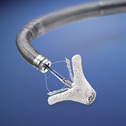
TriClip™ tricuspid valve device, a less invasive treatment delivered through the femoral vein in the leg. The device clips the valve leaflets together to reduce backward blood flow, improve heart function, and relieve symptoms—without the need for open-heart surgery. As a top enroller in the pivotal clinical trial, Inova’s structural heart team helped generate the data supporting FDA approval, making Inova one of the most experienced centers in the U.S. to offer this therapy.
Learn more about the TriClip procedure
Transcatheter tricuspid valve replacement (TTVR): Inova offers the EVOQUE tricuspid valve replacement system device for patients whose severe, symptomatic tricuspid regurgitation may not be well treated using the TriClip procedure.
It is a minimally invasive procedure that replaces a damaged tricuspid valve, which helps keep blood flowing in the correct direction through the heart.
Using a thin tube called a catheter, doctors deliver a new valve through a blood vessel to the heart - without the need for open heart surgery. The valve expands into place and immediately begins working.
Because TTVR is less invasive, it is generally safer and easier to recover from than traditional open-heart surgery. It is typically recommended for people with severe tricuspid valve disease who are not good candidates for open heart surgery, including those who are older, have other serious health conditions, or have had previous heart surgery.


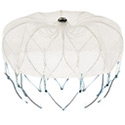 The WATCHMAN FLX™ left atrial appendage closure procedure offers stroke risk reduction in nonvalvular atrial fibrillation (AFib) patients who are not candidates for chronic anticoagulation medications (i.e., blood thinners) due to noncompliance, occupational restrictions, long-term bleeding or a strong preference not to take anticoagulants. Patients can be discharged home after placement of the device, which occurs in Inova's interventional lab, followed by an overnight stay. Most patients can permanently discontinue anticoagulation medications after 45 days.